
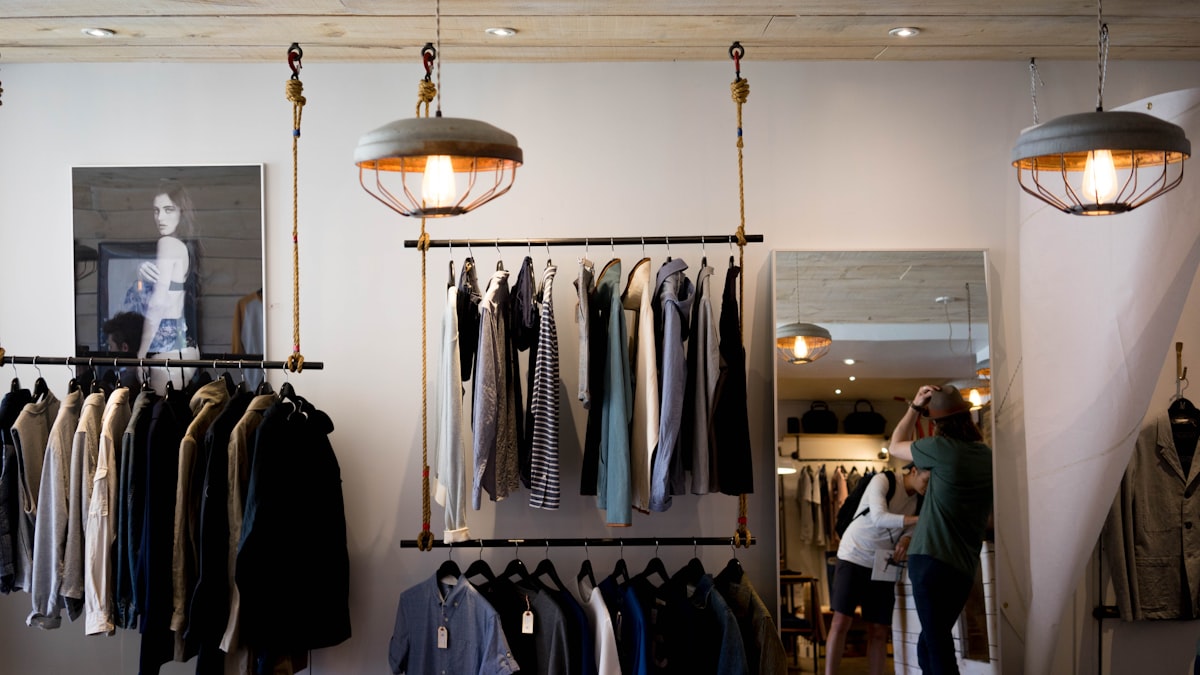
Ask anyone who has closed a shop for years and they will tell you the same thing: the tricky part is not the last customer, it is the quarter of an hour after. The till to count, the alarm to set, the shutter, the stockroom to check, and outside a street that at 8:30pm in January is nothing like 7pm in June. All of it, quite often, while the rota simply says "one person".
This is not about individual bravery. It is about how the shift is written.
Closing is a different shift, so treat it like one
The most common mistake is treating closing as the tail end of a normal shift: same tasks, same person, just a bit later. In reality the evening packs the least negotiable jobs of the day (cash, alarm, checks) into the exact moment when attention is at its lowest. If closing takes fifteen minutes on paper and forty in practice, someone is donating those twenty-five minutes, and doing them in a rush.
Writing the sequence down helps more than it sounds. Non-negotiables first, then whatever can wait for the morning. A tired person should not have to decide the order, only follow it.
Two people, with actual roles
Where policy says closing happens in pairs, it is worth writing down who does what: one keeps an eye on the door and the floor, the other handles the till and the back. "Two people close" without roles often ends with both in the stockroom and the door out of sight, which is the worst of both worlds.
If a fixed pair is not sustainable every day, at least identify the evenings that really need it: higher takings, darker hours, periods with more incidents in the area.
Getting out matters as much as locking up
Parking, the bus stop, how well the street is lit: details the rota usually ignores and that make a real difference to whoever closes. Some habits cost nothing: leaving together, waiting inside for a lift, a quick "closed, all fine" message to a colleague or the owner. That is not surveillance, it is the same logic as an intercom: knowing someone on the other end heard you.
And watch the seasons. A closing that happens in daylight in June happens in the dark at the same clock time in November. Reread the routine twice a year.
What tomorrow's opener finds
The last act of a good close is the handover: two lines about expected deliveries, anything odd, anything left half done. Whoever opens should not have to reconstruct last night from clues, like a detective story.
Once closing genuinely runs into the night the rules change too, starting with who counts as a night worker: night work.
Most of this needs no tools, just decisions taken once and written where everyone can see them. For the planning side, keeping the shift calendar in one place (who closes, with whom, until when) already removes half the ambiguity. If you want to see how Sked Solve approaches it, the site has a full overview of how it works.