
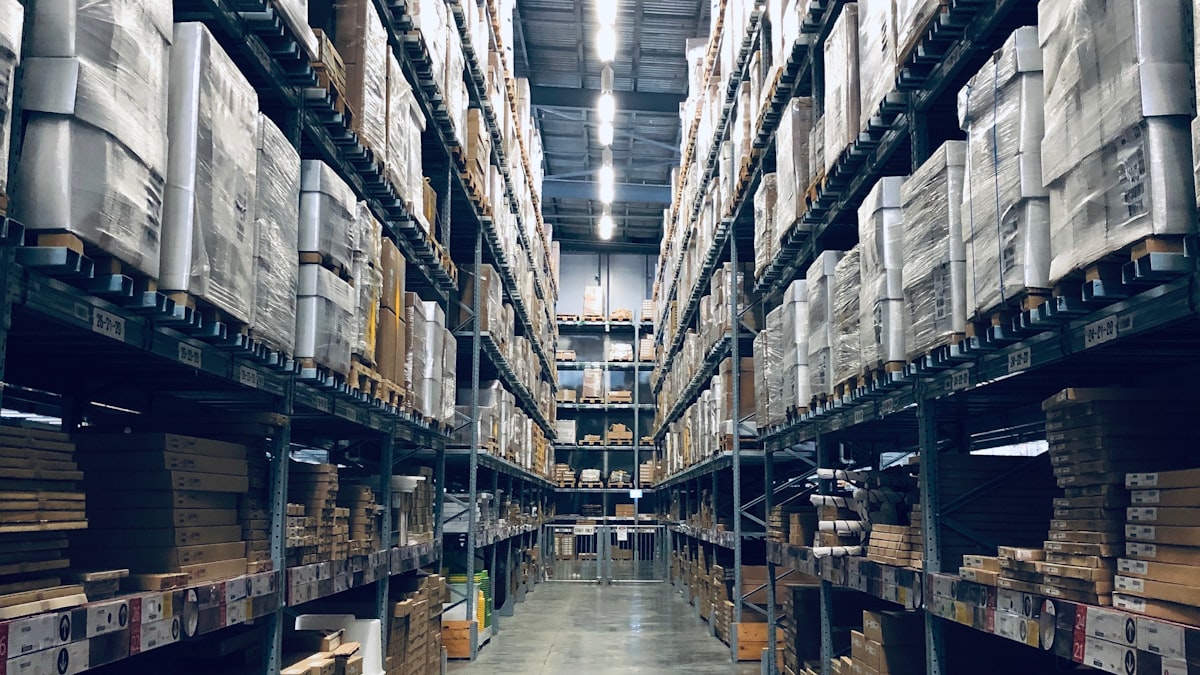
In small and mid-sized stores this is the norm, not the exception: the same person serving at the counter also has to receive the courier, hunt for a size in the stockroom, and put away yesterday's delivery. The problem is not the double duty itself. It is that floor and backroom run on opposite logics: the floor is constant interruption, the backroom is concentration. Whoever bounces between the two without rules ends up doing both badly, with that end-of-day feeling of having run a lot and finished little.
And there is the worst case, which everyone has seen: a customer walks in, finds nobody, waits, and leaves. The backroom has swallowed the floor.
The backroom is done in instalments
First practical rule: backroom trips happen in short, declared blocks, not "until I'm done". Ten minutes, one precise task, then resurface. The half-hour job becomes three visits. It feels less efficient, and for pure warehouse work it is. But a store is not a warehouse: real efficiency is measured across both jobs combined, customer included.
Corollary: backroom work that genuinely needs long focus (stocktakes, heavy delivery checks) should never be done "in the gaps". It belongs in double-cover slots or outside opening hours. Pretending it is gap-filler work is the surest way to do it badly twice.
The floor must never go blind
With two people on shift, the rule is banal but needs saying: never both in the back at the same time while the store is open. With one person, you need prosthetics: a door chime you can hear from the stockroom, a mirror or camera that allows a quick glance, the backroom door kept at an angle that leaves a slice of floor visible.
These are fifty-euro details worth more than an hour-long meeting about "customer service".
Whoever walks in gets priority; whoever waits gets greeted
The micro-rule that changes the customer's perception costs three seconds: whoever resurfaces from the back with full hands still greets whoever came in meanwhile ("be right with you"). Customers do not measure minutes of waiting. They measure whether they were seen. A store where you are always noticed can afford waits that would empty another one.
The courier is not in charge
Last sore point: deliveries. The courier arrives when the courier arrives, and is by definition in a hurry. But signing a delivery note can almost always wait ninety seconds, long enough to finish with the customer at the counter. Settling it in advance (who signs, where goods get set down, what is checked now versus later) stops every delivery from becoming a raid that scatters the floor.
If deliveries follow recurring time slots, even better: those slots belong in the shift plan as extra-load moments, exactly like a small peak.
Most of these habits stand on their own. The part that belongs to the rota (double cover at the right moments, dedicated backroom blocks, delivery windows) is easier with a calendar built for it: Sked Solve does exactly that job, as the site shows.