
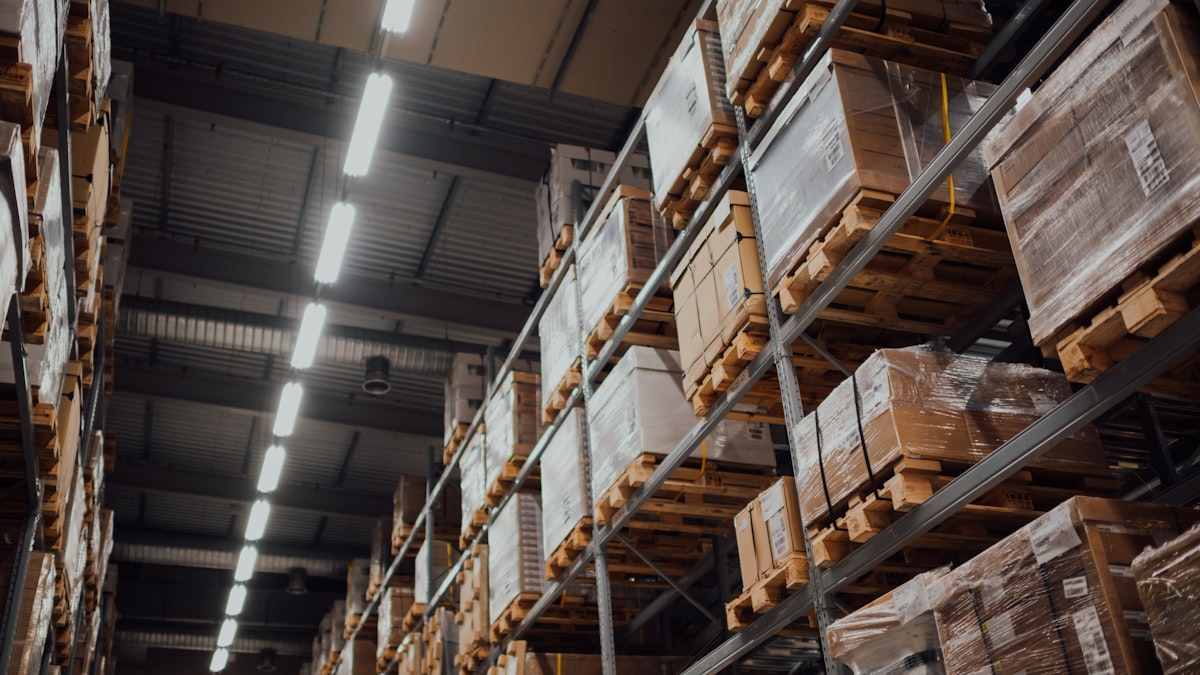
The distance between the stockroom and the sales floor, in metres, is usually laughable: one door, one corridor. The distance in information can be oceanic. The system says three units available, but they are in the wrong box; new stock arrived but nobody on the floor knows; a customer asks "could you check the back for me?" and the answer depends entirely on who is on shift and how well they know the stockroom.
The paradox is that almost none of these problems is a software problem. They are handoff problems: between the people who move product and the people who sell it there are three physical metres and no channel.
"In stock on the system" does not mean "findable"
The system's availability figure is a promise, not a fact. The fact is the right box in the right place. Between the two sits the invisible work of locations: if the backroom follows a logic everyone knows (by department, by size, by arrival date, whichever, as long as there is one), any person on shift finds the item in a minute. If the logic lives in the head of whoever puts stock away, the store works only while that person is in.
The brutal test: send your newest colleague into the stockroom to find three items. If they come back empty-handed or ten minutes later, the problem is not theirs.
Poor signals beat rich systems
For day-to-day operational information, the best mechanisms are embarrassingly simple. The small whiteboard on the stockroom door: "arrived today", "awaiting return", "do not touch, customer order". The trolley with a sign for stock ready to go out. The coloured tape on the box that must not be opened. They look like corner-shop tricks, and they are: a corner shop that works.
The criterion is single: information must be attached to the goods or the place, never to a person. Whoever walks into the shift must be able to read it right there, without asking anyone anything.
Replenishment is a job, not a filler
The gap on the shelf with the stock sitting in the back is the dumbest lost sale in existence: you paid for the product, the supplier, the freight, and you lose the sale over the last three metres. It happens when replenishment is treated as spare-moment work with no time of its own. On delivery days, the rota should include the block for moving stock to the floor, exactly as it includes the till and the cleaning.
A priority loop helps too: whoever is on the floor flags the gaps (photo or list, thirty seconds), whoever goes to the back fills starting from those. Without that hook, replenishment follows the order of the boxes instead of the order of the sales.
When back and floor are the same person
In small stores the handoff is between you and yourself, which sounds easy and is not: what you saw in the stockroom at 9am is forgotten by 4pm. The same rules apply, stripped to the bone: the gap list on your phone the moment you see them, the whiteboard anyway, the signals on the goods anyway. Memory is the worst channel even when it talks to itself.
Knowing who is on shift between back and floor, and reserving replenishment hours on delivery days, is the calendar side of the problem: Sked Solve covers it as its day job, as the site shows.